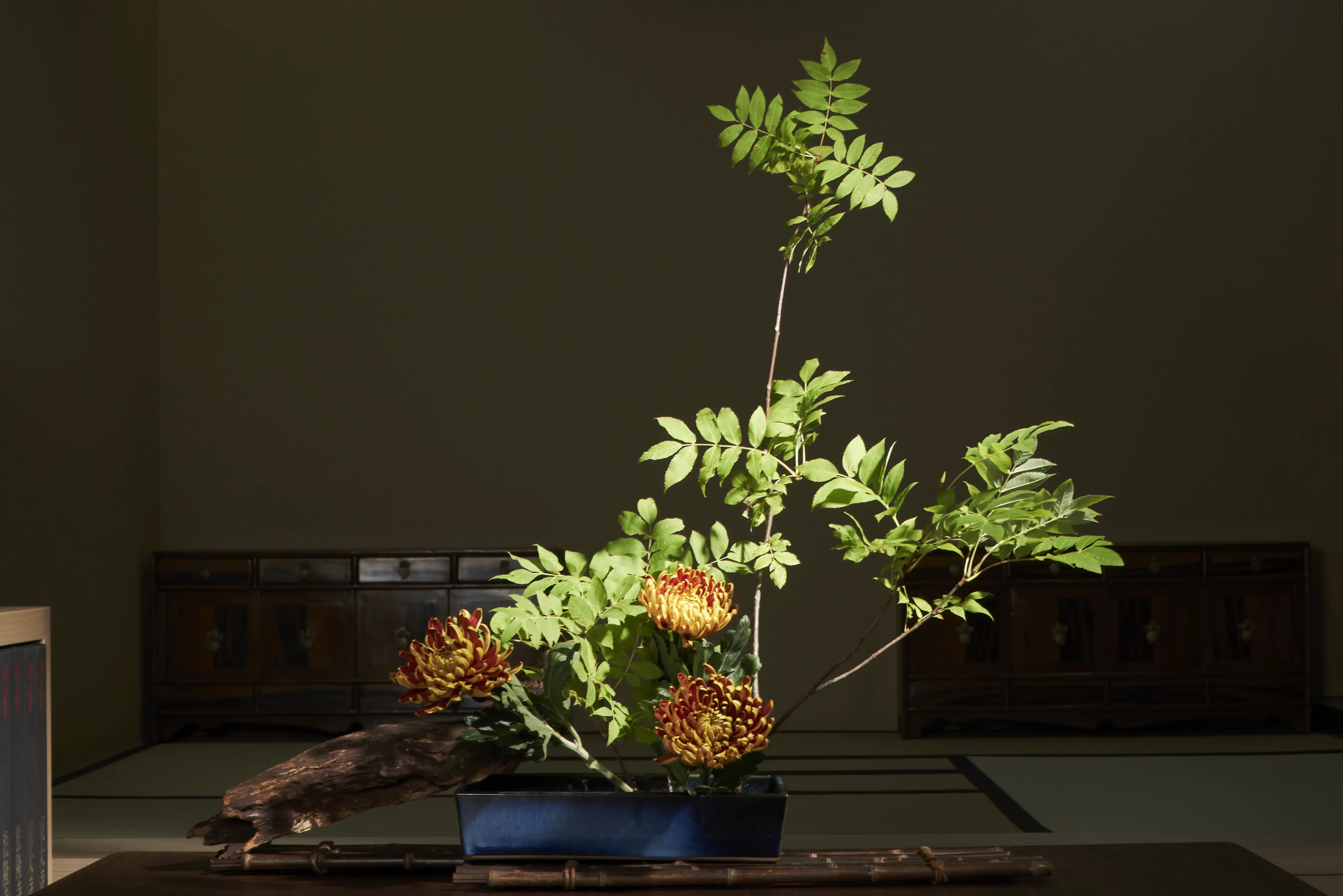
Kouen Yokoi is a shihan of the Sogetsu School — its third generation, following her grandmother and mother — who works by a single idea: arranging not the flowers, but the space between them. Her interview traces the inheritance of a name, a hundred-year-old school built to be seen from every direction, and a practice built on subtracting rather than adding.
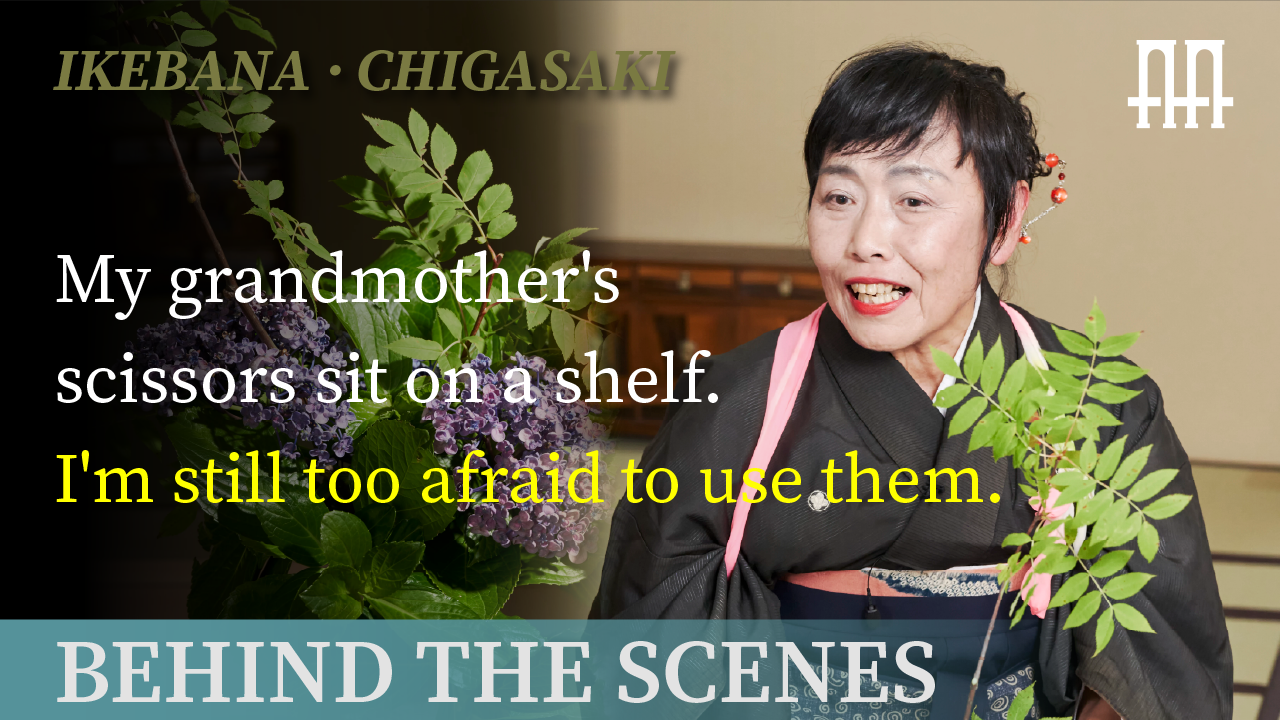
The video embedded lower on this page offers a closer, more immediate look at that world. If you haven't yet seen the main YouTube series — covering the cultural history of ikebana, Kouen Yokoi herself, and the experience — it may be worth beginning there first, and then returning to this page.
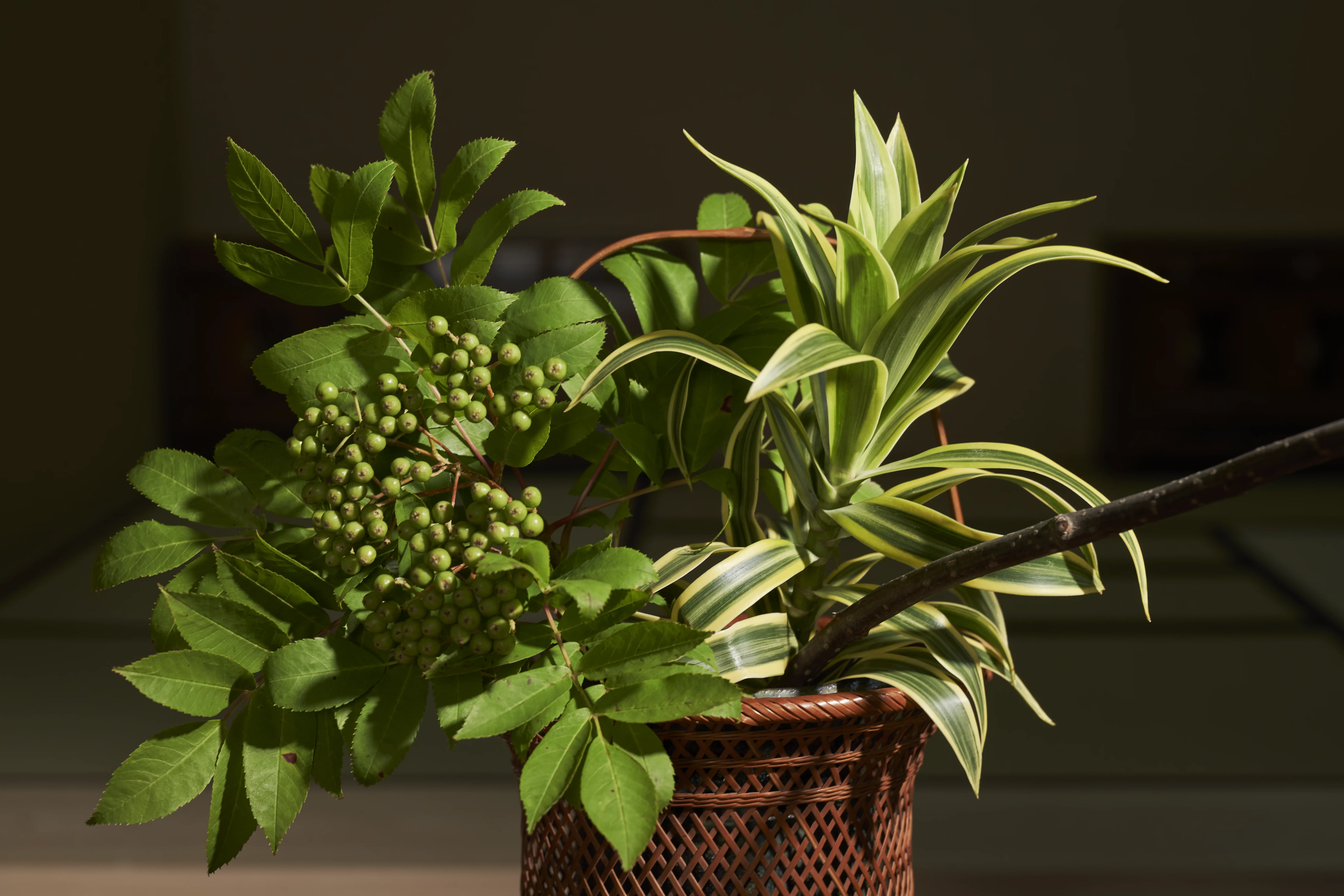
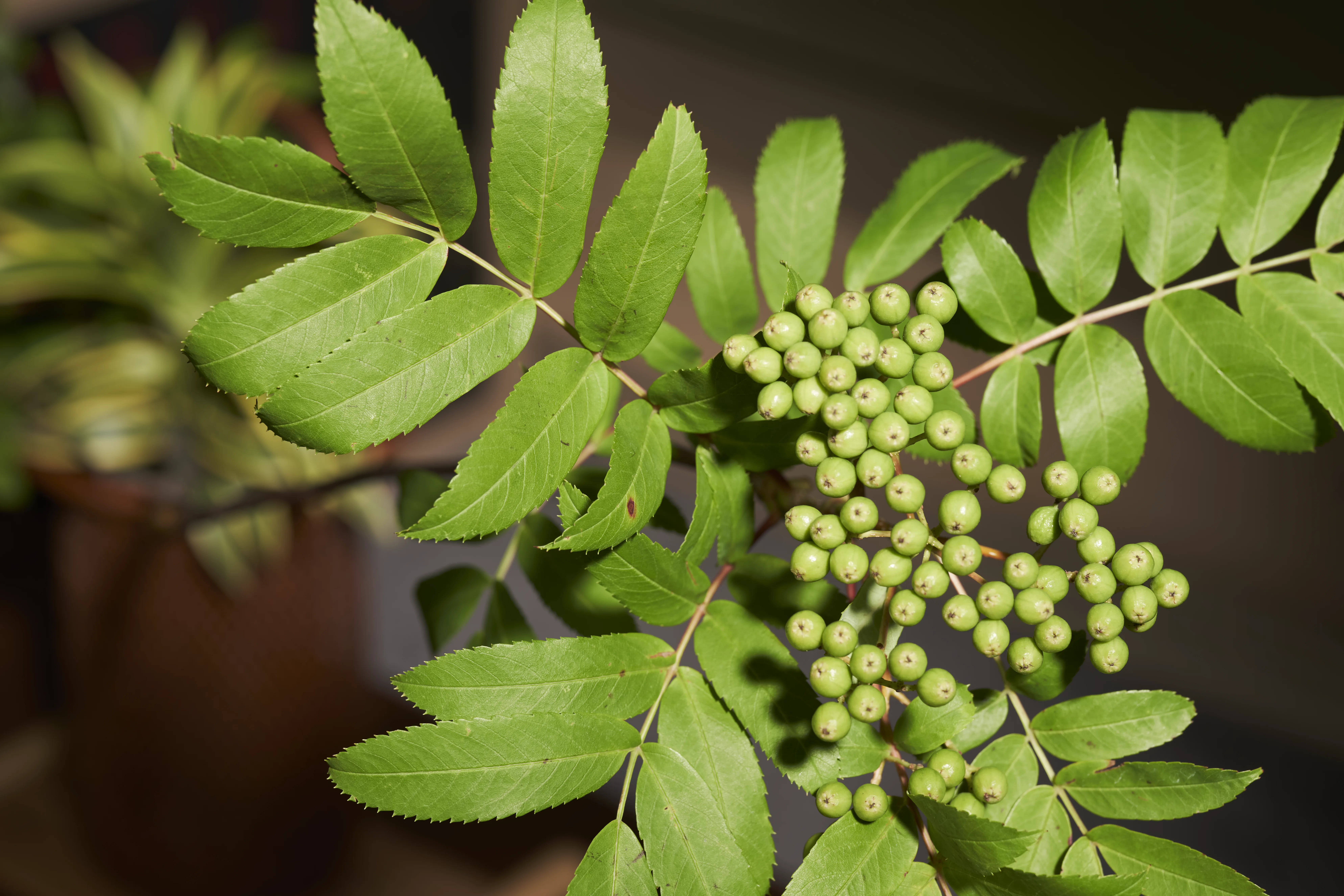
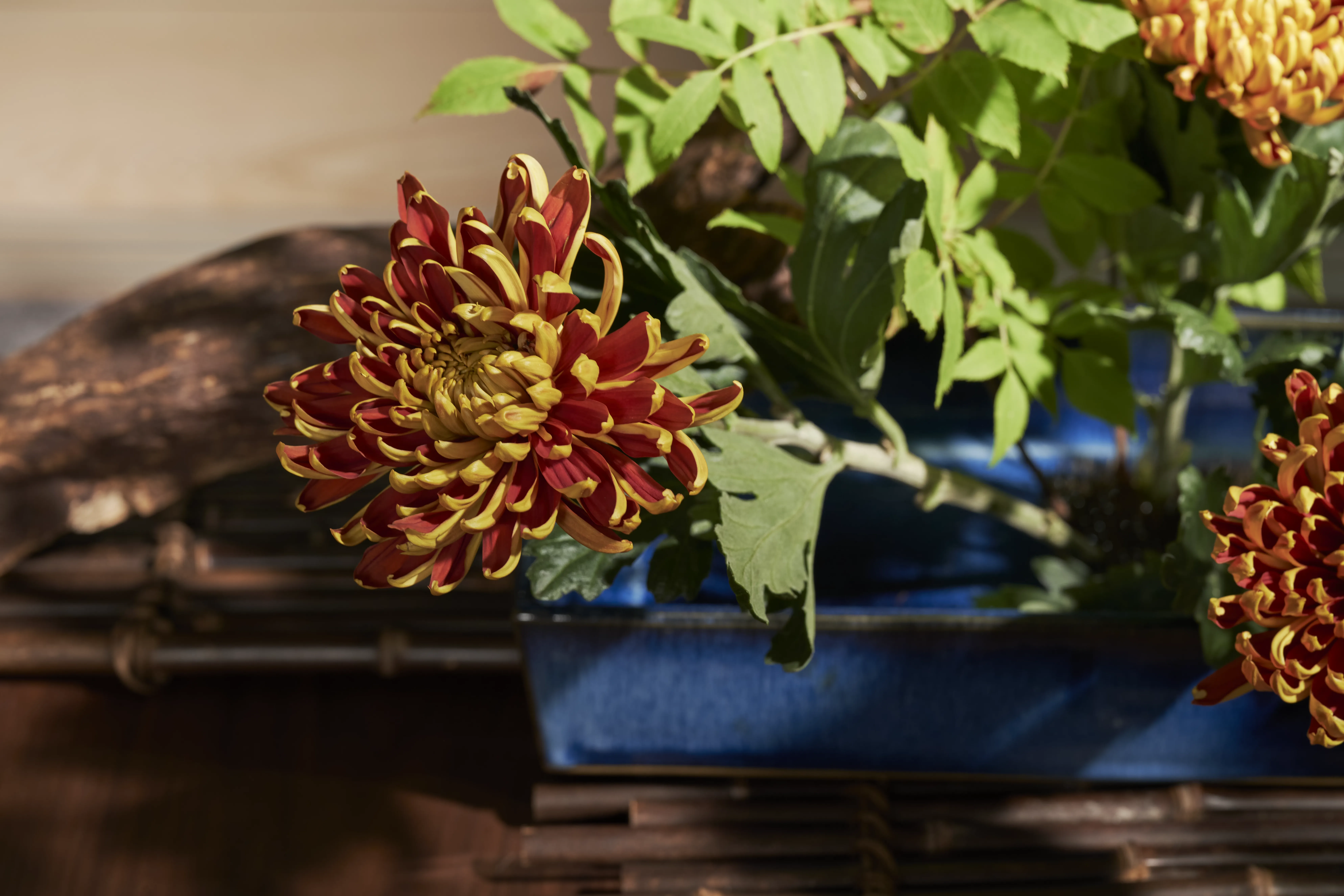
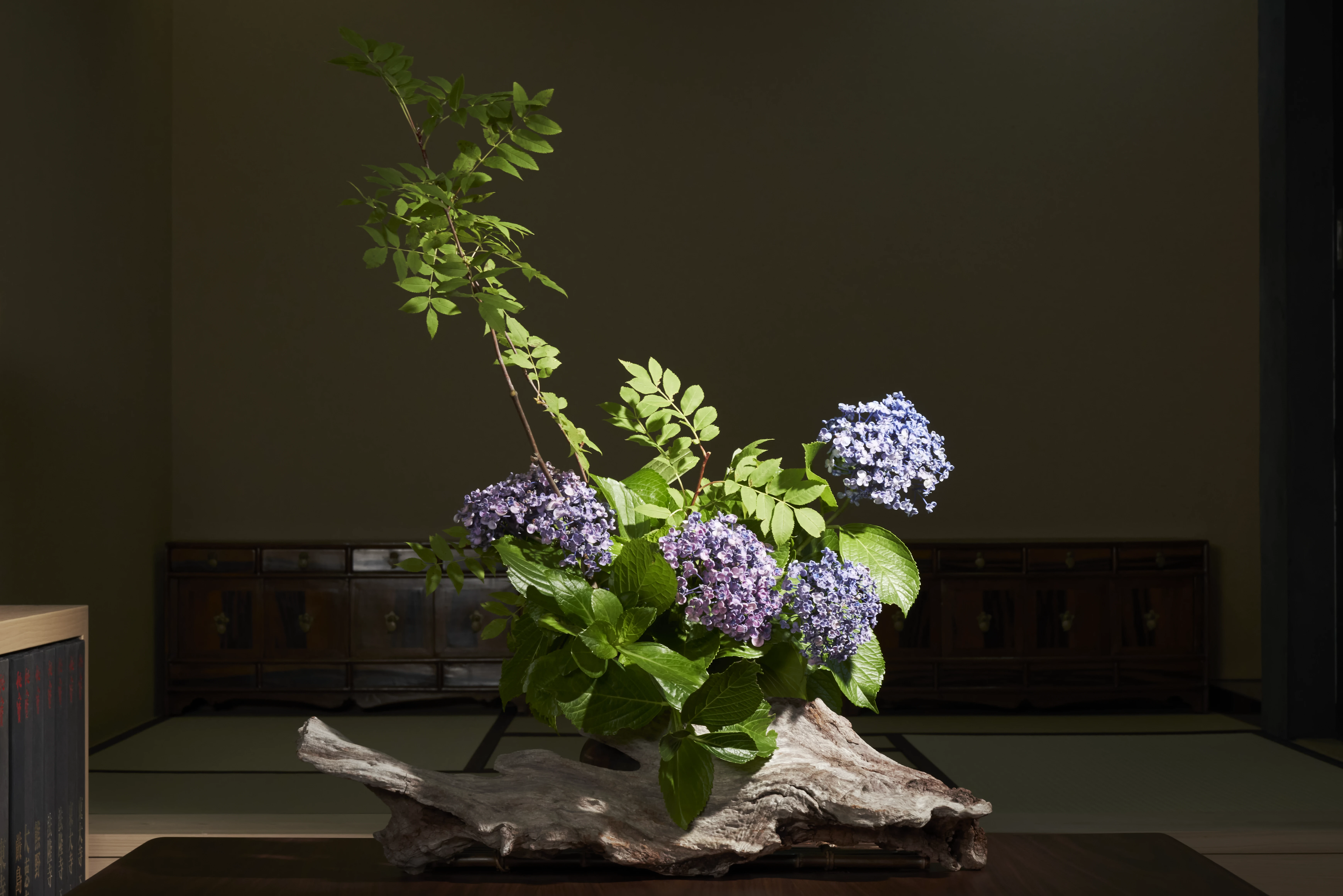
Interested in a Deeper Encounter?
How it works
This experience begins with a conversation about your interest in ikebana, your schedule, and your level of familiarity with the practice. Based on that, we propose an appropriate format, make any necessary adjustments, and then confirm the final plan together.
Rather than a fixed off-the-shelf program, it is better understood as a carefully arranged encounter shaped through hearing, proposal, adjustment, and confirmation.
What you’ll get
Good fit / Not a fit
- Travelers curious about ikebana as a way of arranging space, not simply displaying flowers
- Those interested in the inheritance of a family craft across three generations
- Visitors comfortable with quiet attention, precise instruction, and working with their own hands
- People drawn to the relationship between materials, space, and restraint
Not a fit
- Those expecting a decorative, add-more flower arranging class in the Western style
- Visitors who prefer to watch a demonstration rather than practice themselves
- People mainly seeking a photo opportunity without interest in the thinking behind the form
- Travelers with very limited time, as the practice rewards a slower pace
Practical
- Timing: To be confirmed based on availability and proposal
- Group size: To be confirmed
- Language: English or Japanese
- Area: Kanagawa
- Lead time: Advance coordination recommended; exact lead time to be confirmed
-
Format:Final format is adjusted after hearing and proposal. Experience contents are not treated as fully fixed at this stage
What’s decided later
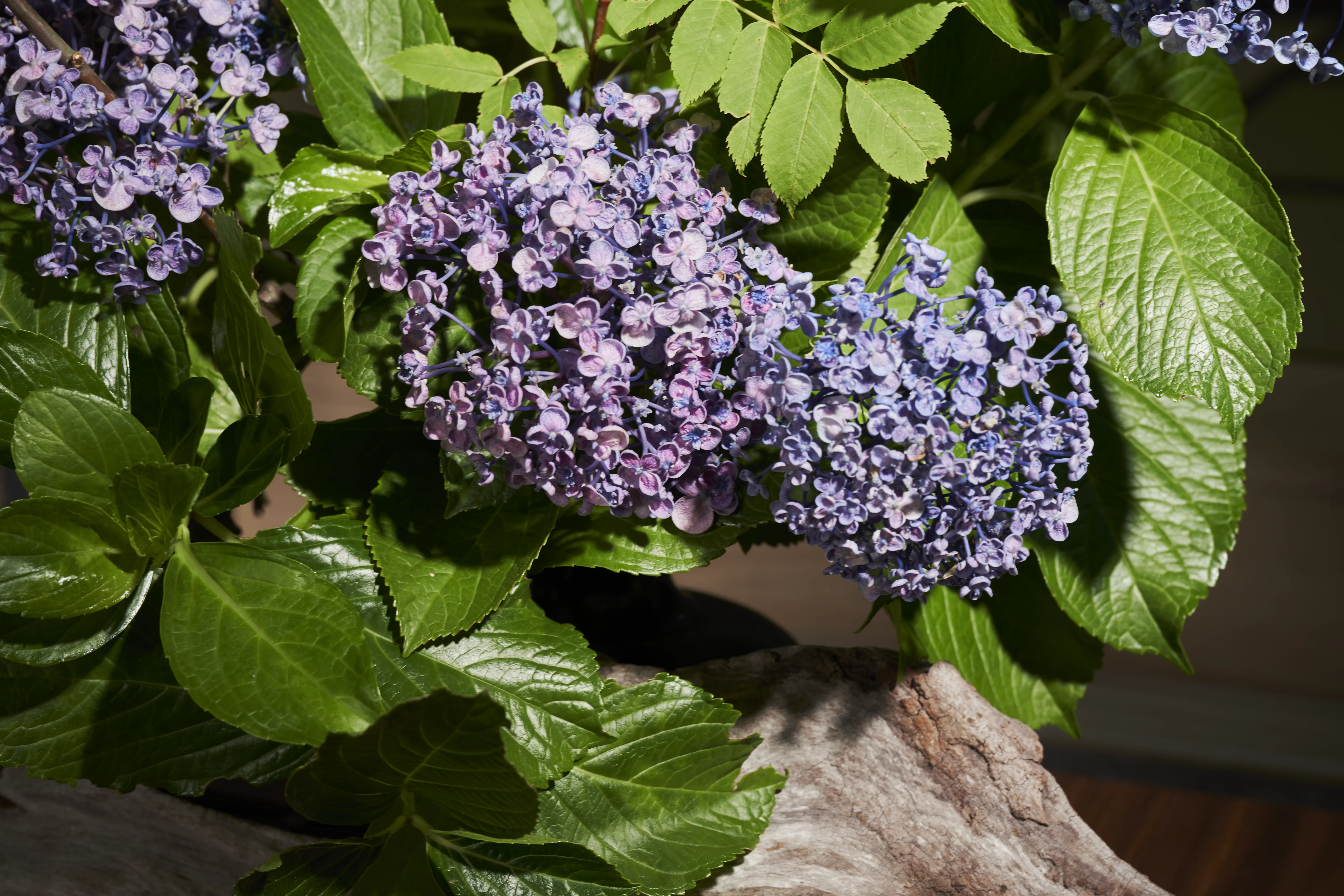
The final structure is arranged after hearing your interest in ikebana, your schedule, and the depth of engagement you are looking for. Elements such as the exact flowers and vessel used, whether the visit opens with the tenchijin trinity or moves directly into freer practice, and how much time is spent on materials versus arranging are confirmed later rather than assumed in advance.
Where relevant, the encounter may include conversation, demonstration, or hands-on practice, but the exact configuration should be treated as case-specific. This page introduces one important figure and perspective, but depending on the broader itinerary, the featured practitioner here may not always be the sole or central point of the final experience design.
House rules
- This is a hands-on practice, not a performance to watch from a distance.
- We ask guests to remain open to quiet attention, precise instruction, and a slower pace than typical tourism formats.
- Requests based primarily on price reduction are generally not a good match for the way this experience is arranged.
- Photo, video, and recording expectations should be confirmed in advance rather than assumed.
- Final details are coordinated carefully, so we appreciate thoughtful communication and timely confirmation once a proposal has been shared.
Conversation and cultural engagement remain central to the experience. However, depending on the guest’s interests and desired depth of engagement, the artisan featured on this page is not necessarily guaranteed to be the central focus of the tour in every case.