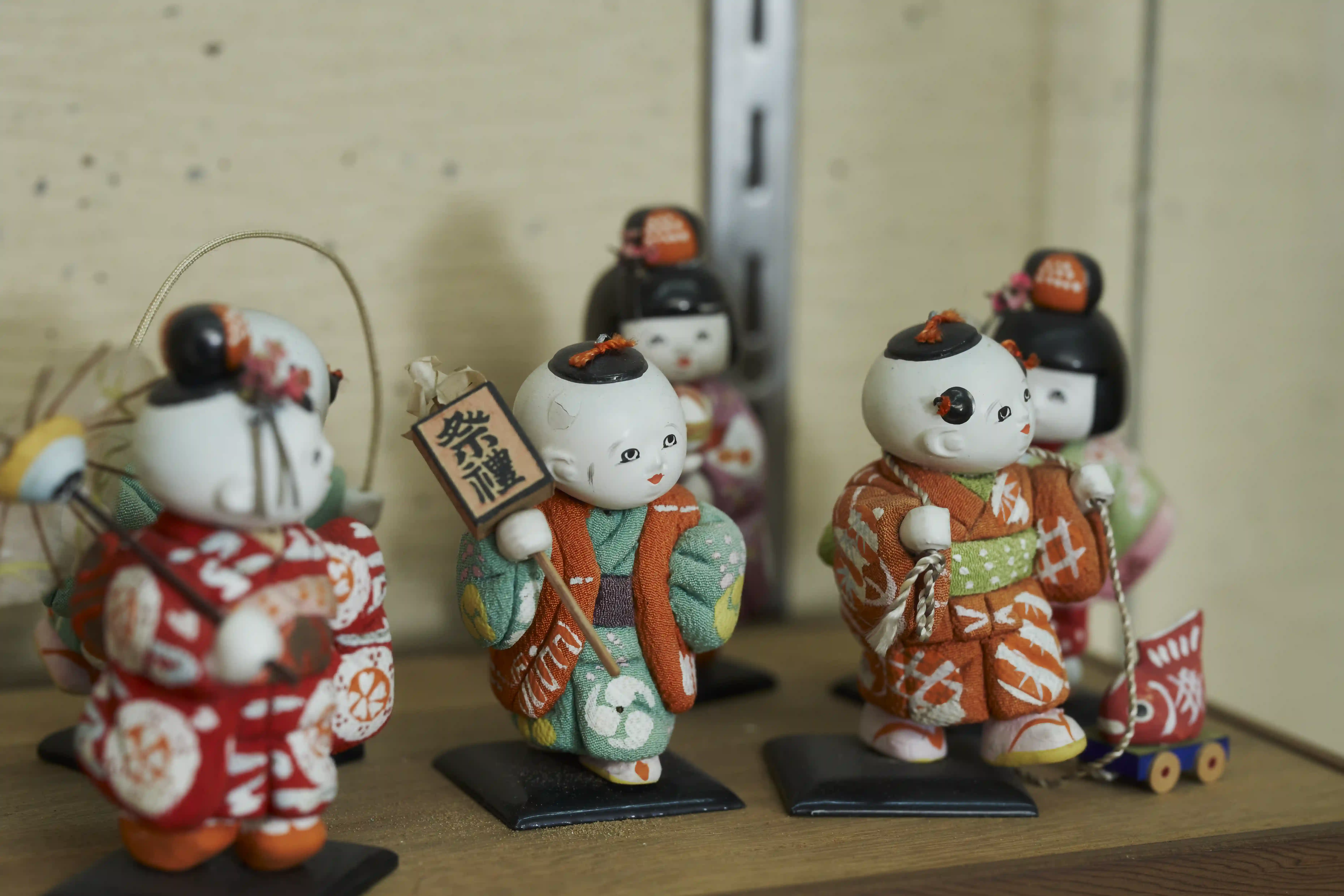
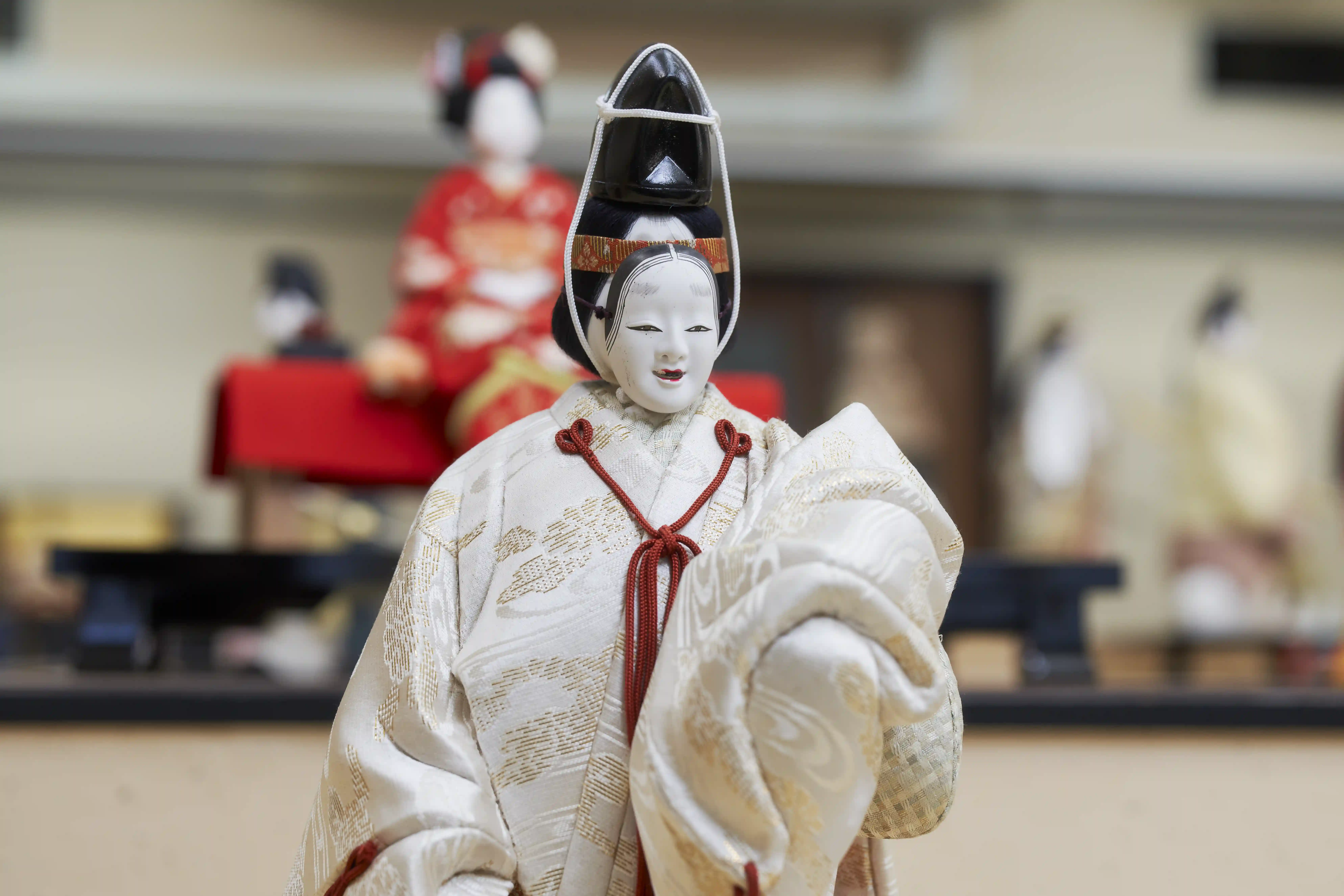
Kenji Kanabayashi is the third generation to carry the name Kanabayashi Mataro, running a workshop that has made Edo Kimekomi dolls since 1919. He works as both manager and craftsman, holding to paulownia wood, wheat-starch paste, and a painted-eye technique passed down from his father.
Below, a short behind-the-scenes video follows him at work in the workshop — a companion to the fuller conversation in our video series, where he speaks at length about the craft, its history, and what dolls have meant to Japan across three centuries.
.png)
Interested in a Deeper Encounter?
How it works
This experience begins with a conversation about your interests, schedule, and what you're hoping to see and try inside the workshop. Based on that, we put together a proposed visit, make any adjustments needed, and confirm the final details together.
Rather than a fixed program, it's better understood as a visit shaped through hearing, proposal, adjustment, and confirmation.
What you’ll get
Good fit / Not a fit
- Travelers curious about traditional Japanese craft who want to see it made, not just displayed
- Those who enjoy working with their hands and don't mind a couple of hours on a single, focused task
- Visitors interested in Japanese doll culture, Sekku traditions, or the history behind Hinamatsuri and Tango no Sekku
Not a fit
- Those looking for a fast, high-energy activity rather than a slow, hands-on one
- Visitors who would rather observe than participate
- People hoping for a shopping-focused visit rather than a craft experience
Practical
- Duration: To be confirmed based on availability and proposal
- Group size: To be confirmed
- Language: English explanation available during the experience
- Area: Tokyo
- Lead time: Advance coordination recommended; exact lead time to be confirmed
What’s decided later
After the initial hearing, we confirm the exact date and time of your visit, group size and any accompanying guests, which doll and costume options will be available on the day, and language support arrangements if needed.
Where relevant, the visit may include additional conversation or a closer look at other parts of the workshop, but the exact configuration should be treated as case-specific.
House rules
- This is a craft workshop, not a retail showroom — please handle tools and materials with care.
- Photography inside the workshop should be discussed and agreed on in advance.
- Visits are arranged around the workshop's production schedule, so available dates may be limited.
- Requests based primarily on price reduction are generally not a good match for the way these experiences are arranged.
- Final details are coordinated carefully, so we appreciate thoughtful communication and timely confirmation once a proposal has been shared.
Conversation and cultural engagement remain central to the experience. However, depending on the guest’s interests and desired depth of engagement, the artisan featured on this page is not necessarily guaranteed to be the central focus of the tour in every case.