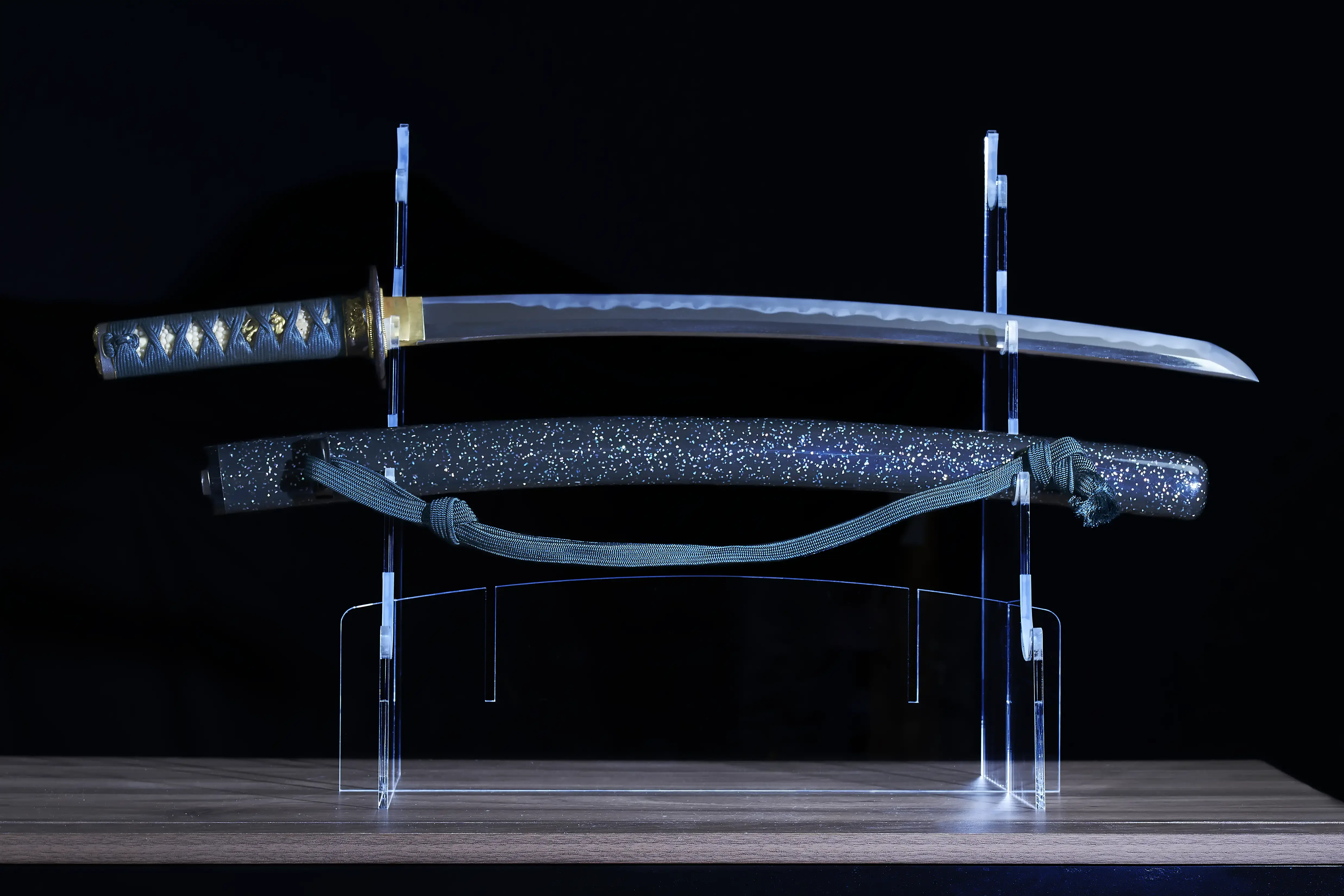
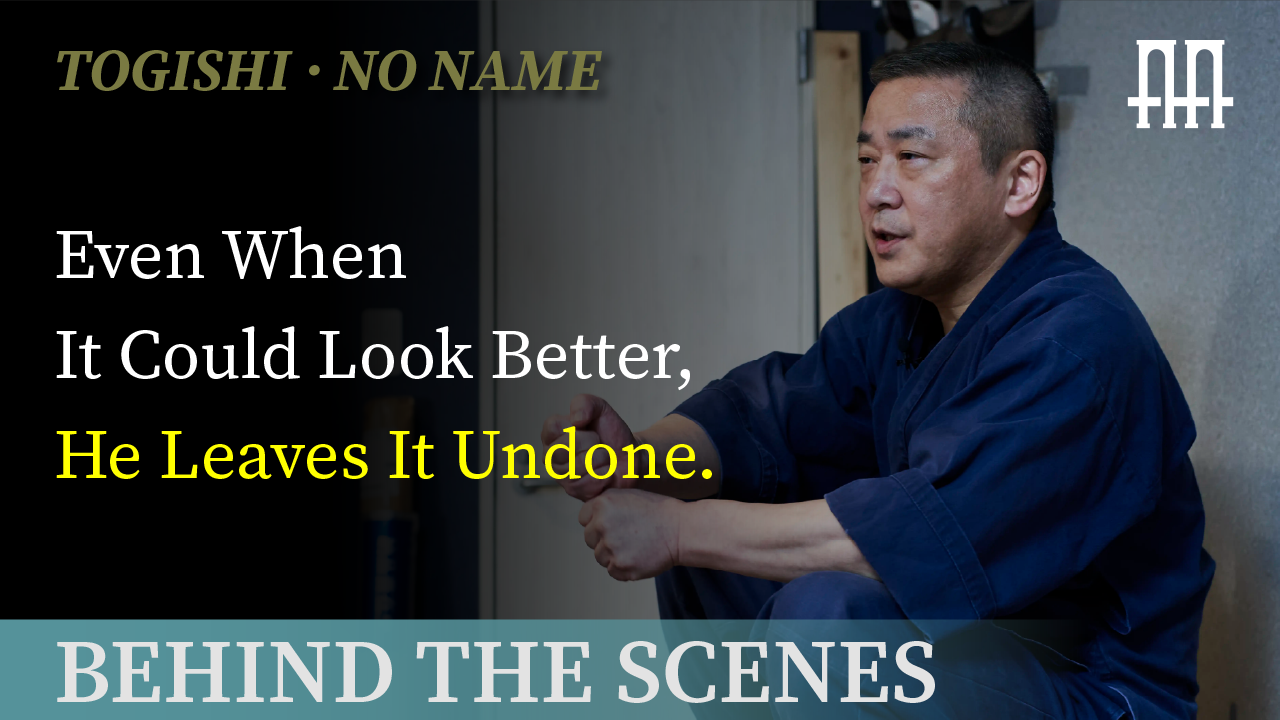
Nagaoka is a togishi — an artisan who polishes a finished sword not to sharpen it but to reveal and preserve its form, extending the life of a blade already centuries old so it can pass, undiminished, to the next hand. Much of what defines him lies in restraint: the deliberate choice to leave a blade a little unfinished, and the effort to open a craft that has long kept itself closed.
If you haven't seen it yet, we'd suggest beginning with the main YouTube series, where three films trace the cultural history, Nagaoka himself, and the experience in turn. The video embedded below is a shorter, more informal glimpse behind the scenes — best enjoyed once those films have set the ground.
Interested in a Deeper Encounter?
How it works
Every visit begins with a conversation. We start by hearing what draws you — what you'd like to see, hold, or understand — and shape a proposal from there. From that first outline we adjust together, refining the plan to suit your interest and pace, before confirming the details. It is not a fixed programme but something arranged around each visitor.
What you’ll get
This is an encounter on more than one level — with Nagaoka's way of seeing, with the centuries a blade has already lived through, and with the quiet sense of beauty that holds the whole tradition together. Rather than a set of steps to watch, it is a slower kind of understanding: of the object before you, its shape and steel, and of your own response to it.
Good fit / Not a fit
Good fit
- Those drawn to craft, history, or objects made to last, who prefer to understand slowly rather than tick off a highlight.
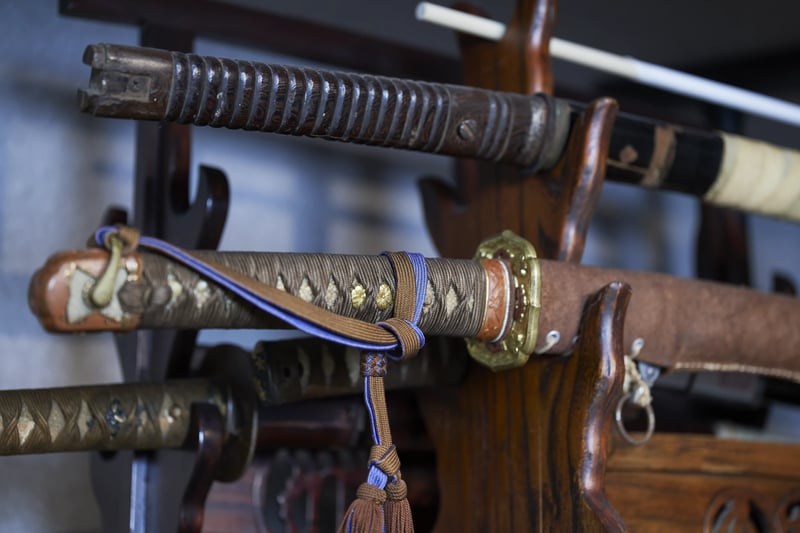
- Anyone curious to hold and look closely at a real sword, and to sit with their own response to it.
- Visitors who value an unhurried conversation with the polisher over a scripted tour.
Not a fit
- Those looking for a fast, photo-first attraction or a fixed sightseeing stop.
- Anyone hoping for sword-fighting or cutting demonstrations — this is a conservation craft, not a performance.
- Those who would rather not take part in dialogue or handle the objects with care.
Practical
- Duration: Half-day — experiences are often combined into a full day
- Group: Private — no other guests are hosted during your visit
- Language: English-speaking guide throughout
- Area: Tokyo
- Lead time: Advance coordination recommended; exact dates are confirmed after the initial conversation
What’s decided later
The sequence of the day, the depth of conversation, and anything arranged around the visit are shaped after the initial conversation. The core is already set — a private visit and an English-speaking guide throughout — and what varies is how the rest of the day is built around it.
House rules
- Please treat the swords and the workshop as the cultural property they are; handling follows the guidance given on the day.
- Prices reflect the care and craft involved — this isn't a setting for bargaining.
- Photography or filming may be limited in places; please ask before capturing anything.
- Come with curiosity rather than a fixed checklist. The visit rewards patience and attention.
Conversation and cultural engagement remain central to the experience. Please note that the shape of the day may be adjusted at short notice — the host's own condition and the circumstances of the working space on the day come first. We will tell you as soon as anything changes.