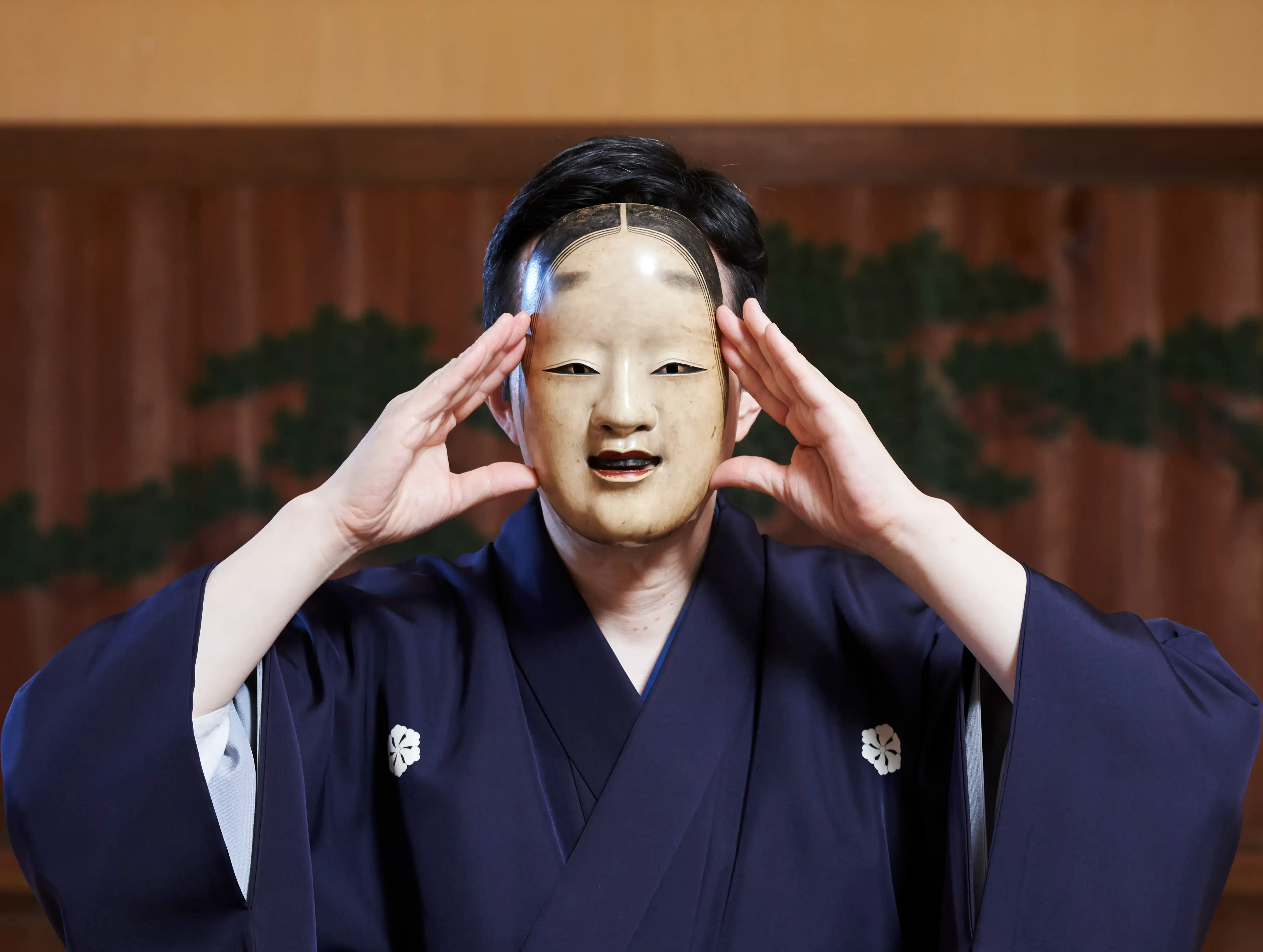
Sakurama Ujin is the 21st-generation head of the Sakurama house, a family of shite-kata performers in the Konparu school of Noh whose roots trace back to the Hosokawa lords of Higo. Trained from the age of four by his grandfather, a Living National Treasure, he now carries forward a lineage shaped by two very different teachers and a 700-year tradition of oral transmission.
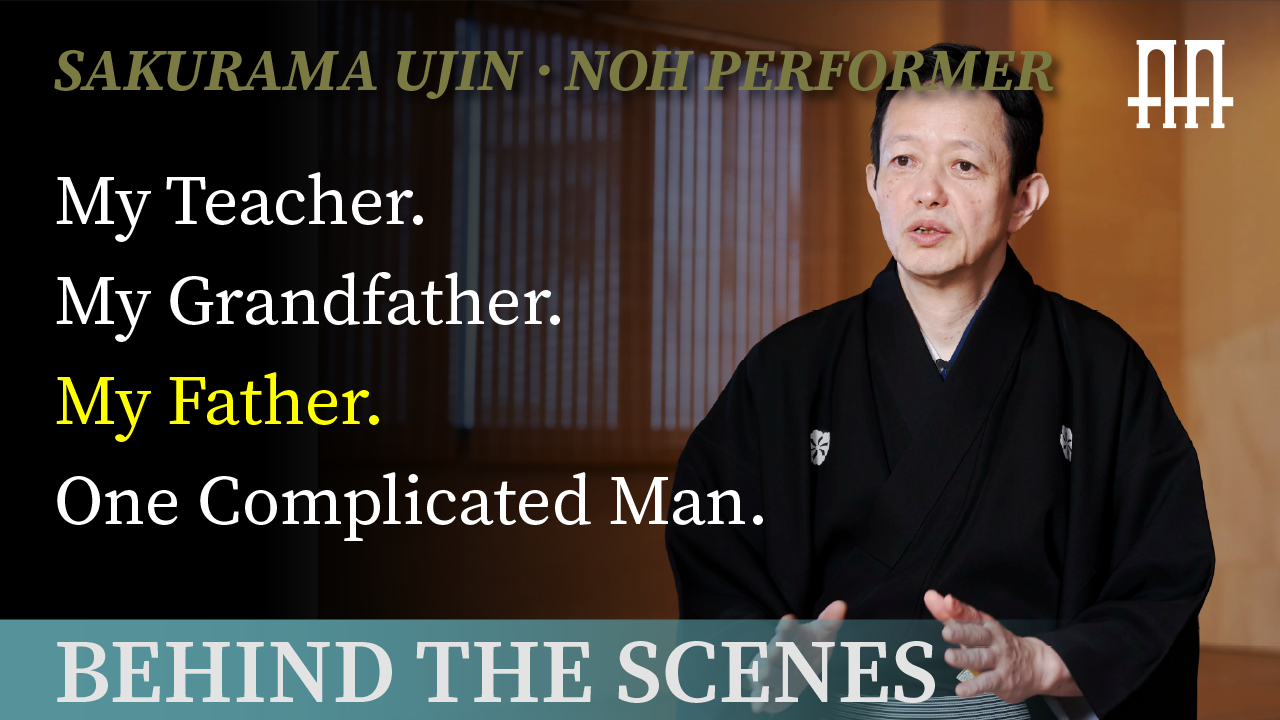
The video below offers a behind-the-scenes look at his practice stage in Tokyo — the masks, the costumes, and the quiet discipline of a craft passed from generation to generation. For a closer look at the interview itself, the full article explores his family's history and philosophy of succession in more depth, and the Bespoke Discovery YouTube channel carries the broader series of films from this visit.
Interested in a Deeper Encounter?
How it works
This experience begins with a conversation about what draws you to this tradition and what you're hoping to see. From there, we put together a proposal suited to your group and schedule, adjust the details together as needed, and confirm the visit once everything is in place.
Rather than a fixed, off-the-shelf program, it is best understood as an encounter shaped through hearing, proposal, adjustment, and confirmation.
What you’ll get
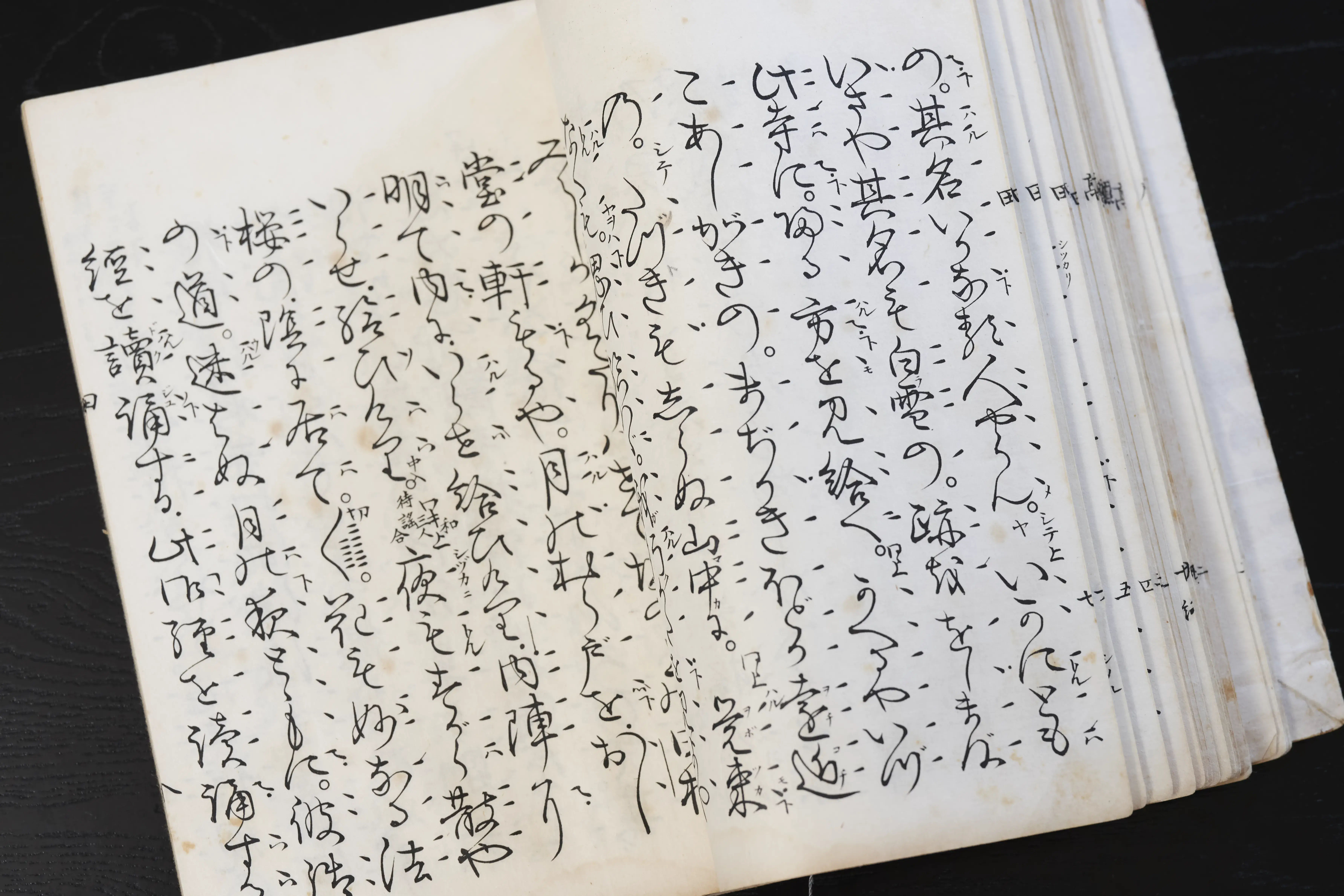
Time on Sakurama Ujin's practice stage in Tokyo, with insight into his family's 700-year Noh lineage, the kata passed down through two very different teachers, the masks and costumes kept with lifelong care, and the discipline of oral transmission that keeps this art alive across generations.
Good fit / Not a fit
- Visitors genuinely curious about the history and discipline behind a classical Japanese performing art
- Those who want to understand a living tradition, not simply watch a performance
- Small groups comfortable with a quiet, unhurried pace
- People interested in lineage, transmission, and the relationship between a performer and their inherited craft
Not a fit
- Those looking for a staged, highlight-only photo opportunity
- Visitors expecting a full Noh performance rather than a visit to a working practice stage
- Large tour groups
- Travelers who prefer everything explained immediately and completely, without quietness or ambiguity
Practical
- Timing: Half-day — experiences are often combined into a full day
- Group size: Private — no other guests are hosted during your visit
- Language: English-speaking guide throughout
- Area: Chiyoda City, Tokyo
- Lead time: Advance coordination recommended; exact dates are confirmed after the initial conversation
What’s decided later
The final structure is arranged after hearing your interests, group profile, schedule, and desired depth of engagement. The exact flow of the visit, the balance between explanation and direct observation, and what can realistically be included on the day are confirmed later rather than assumed in advance.
Where relevant, the encounter may include conversation, demonstration, or a brief hands-on moment such as stepping onto the stage itself, but the exact configuration should be treated as case-specific.
House rules
- Please treat the practice stage and its tools — the masks, costumes, and instruments — with care; some have been in the family for generations.
- Noh masks are not available for public display or close handling.
- This is a working practice space, not a performance venue, so requests for a full staged show are not something we can accommodate here.
- We ask guests to remain open to forms of learning that may be quieter and slower than standard tourism formats.
- Visits are arranged around the house's own schedule, so flexibility on timing and timely confirmation once a proposal has been shared are appreciated.
Conversation and cultural engagement remain central to the experience. However, depending on the guest’s interests and desired depth of engagement, the artisan featured on this page is not necessarily guaranteed to be the central focus of the tour in every case.